Furniture & Decor
Premium natural materials in 2026 – why antler is making a huge comeback in design?
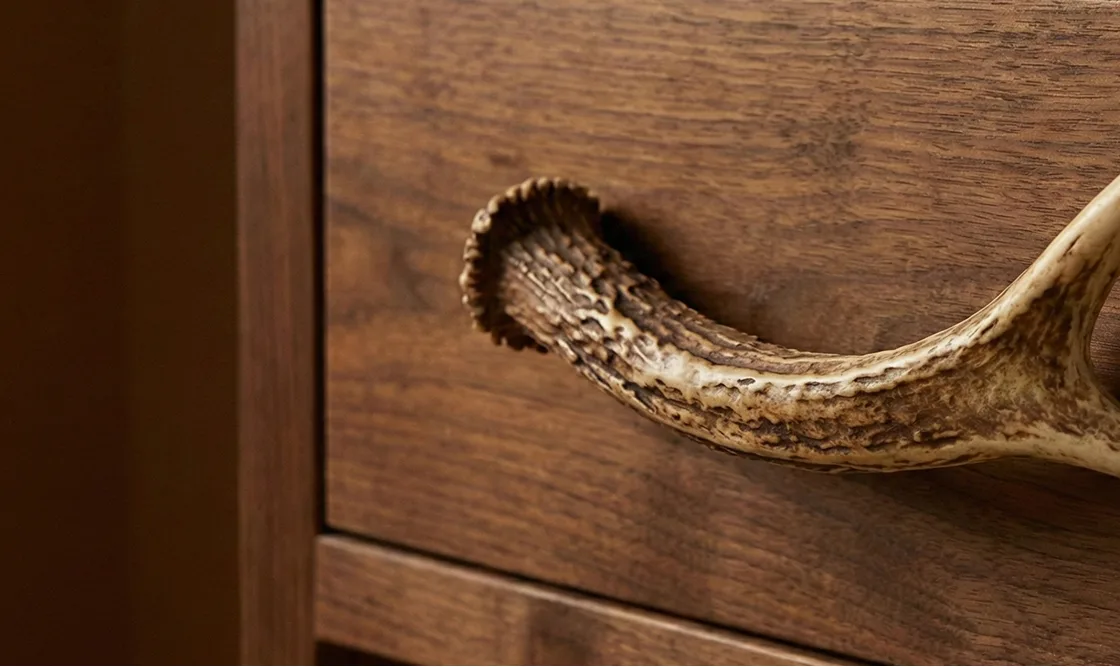
In 2026, the interior design market is clearly redefining the meaning of luxury. A decade ago, glossy surfaces, flawless repetition, and almost laboratory-perfect finishes dominated high-end projects. Today, the direction is entirely different. Premium natural materials have become the foundation of contemporary design, and authenticity is replacing artificial perfection. In this context, deer antler is increasingly discussed as both a decorative and structural material. No longer associated solely with traditional hunting aesthetics or rustic interiors, antler in furniture design is gaining a new dimension — as a luxury material suited to modern, minimalist, and boutique spaces.
A new definition of luxury: authenticity and uniqueness
Today’s premium client seeks individuality. Mass production and perfect repeatability tend to reduce perceived value. Deer antler, by its very nature, is non-repeatable. No two pieces are identical.
Each form has its own branching pattern, density, structure, and coloration. In design practice, this allows for limited editions or one-of-a-kind creations with a strong identity. Antler elements introduce organic character into a project — something that synthetic materials cannot authentically replicate. This structural unpredictability has become synonymous with modern luxury.
Biophilic design and the return to nature
The biophilic design movement has steadily strengthened its position in recent years. Architects and furniture manufacturers increasingly choose ecological materials in design, including solid wood, natural stone, wool, linen, and ceramics with raw finishes.
Inspiration often comes from regions such as Scandinavia, where minimalism meets natural textures, and from Alpine architecture, where organic materials create warmth and depth. Locations like Aspen and Gstaad have long demonstrated how natural materials can define high-end mountain residences without compromising contemporary elegance.
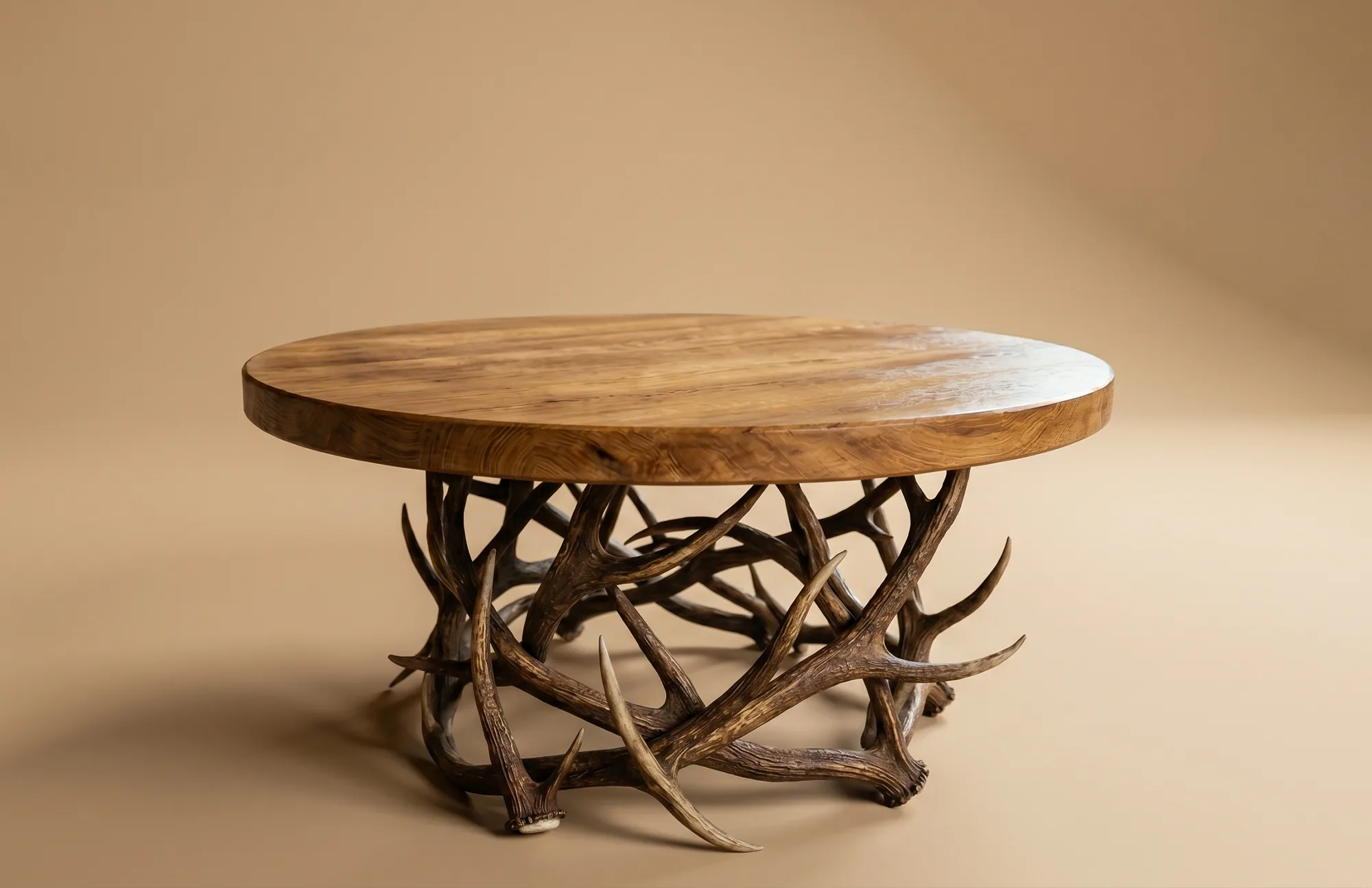
Deer antler fits seamlessly into this movement. As a fully natural material with expressive structure, it provides a strong yet refined accent. In modern interiors, it is used sparingly — as a handle, structural detail, lighting element, or decorative insert that softens geometric minimalism.
Sustainable luxury and conscious design
In 2026, premium natural materials are evaluated not only for aesthetics but also for origin and environmental impact. Supply chain transparency has become standard practice, especially in the high-end segment.
Species such as the red deer and fallow deer naturally shed their antlers each year as part of their biological cycle. When responsibly sourced, antler can be collected without interfering with animal welfare.
For designers and manufacturers, this means working with a material that is biologically renewable, durable, minimally processed, and aligned with the principles of sustainable design. Sustainable luxury is no longer a trend — it is a market expectation.
Antler in furniture design – function meets aesthetics
Contemporary applications of antler differ significantly from historical interpretations. The focus is no longer on heavy, dominant forms. Instead, designers integrate antler subtly and intentionally.
It appears as furniture handles, table legs, lighting structures, decorative inlays, or refined luxury accessories. When combined with stone, glass, steel, or architectural concrete, antler creates a contrast that enhances the overall premium effect. Its tactile quality and organic lines add craftsmanship and individuality to otherwise structured compositions.
A material that cannot be fully replicated
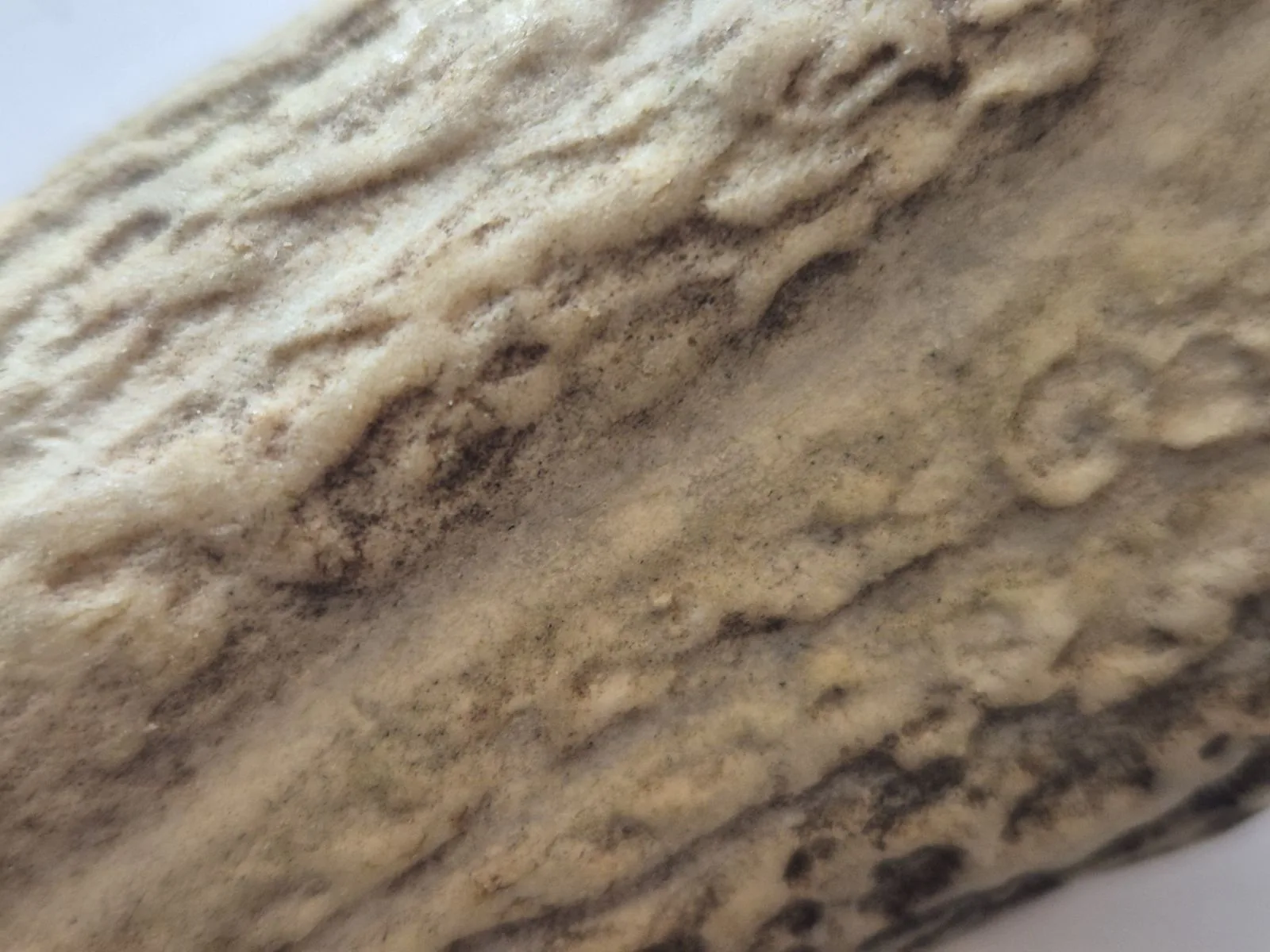
Modern technology allows imitation of almost any surface. However, the micro-porosity, density, and irregular structure of genuine antler remain difficult to reproduce convincingly.
For premium brands, this distinction matters. End clients increasingly recognize and value authentic luxury interior materials. Deer antler carries biological origin, natural history, and artisanal context — qualities no composite material can genuinely replicate.
Why antler is returning now?
The year 2026 reinforces several parallel shifts: a growing desire for connection with nature, demand for unique materials, conscious design thinking, and a move away from anonymous mass production.
Antler in furniture and interior design responds to all these needs simultaneously. It combines aesthetics, durability, ecological context, and structural uniqueness. It is no longer a niche curiosity but a fully recognized premium natural material — chosen intentionally by designers, furniture manufacturers, and brands building their identity around authenticity and quality.
How to source verified antler material
If you are looking for high-quality deer antler as a raw material for furniture or decorative applications, working with a reliable European supplier is essential.
Mily Group offers carefully selected antler material with stable quality parameters and preparation standards suitable for further processing. Operating from Poland, one of Europe’s key sourcing regions, we provide consistent availability and export-ready solutions for international partners.
Contact us to explore availability and introduce a truly distinctive natural element into your next collection.
