Antler
Antler – nature’s extraordinary gift
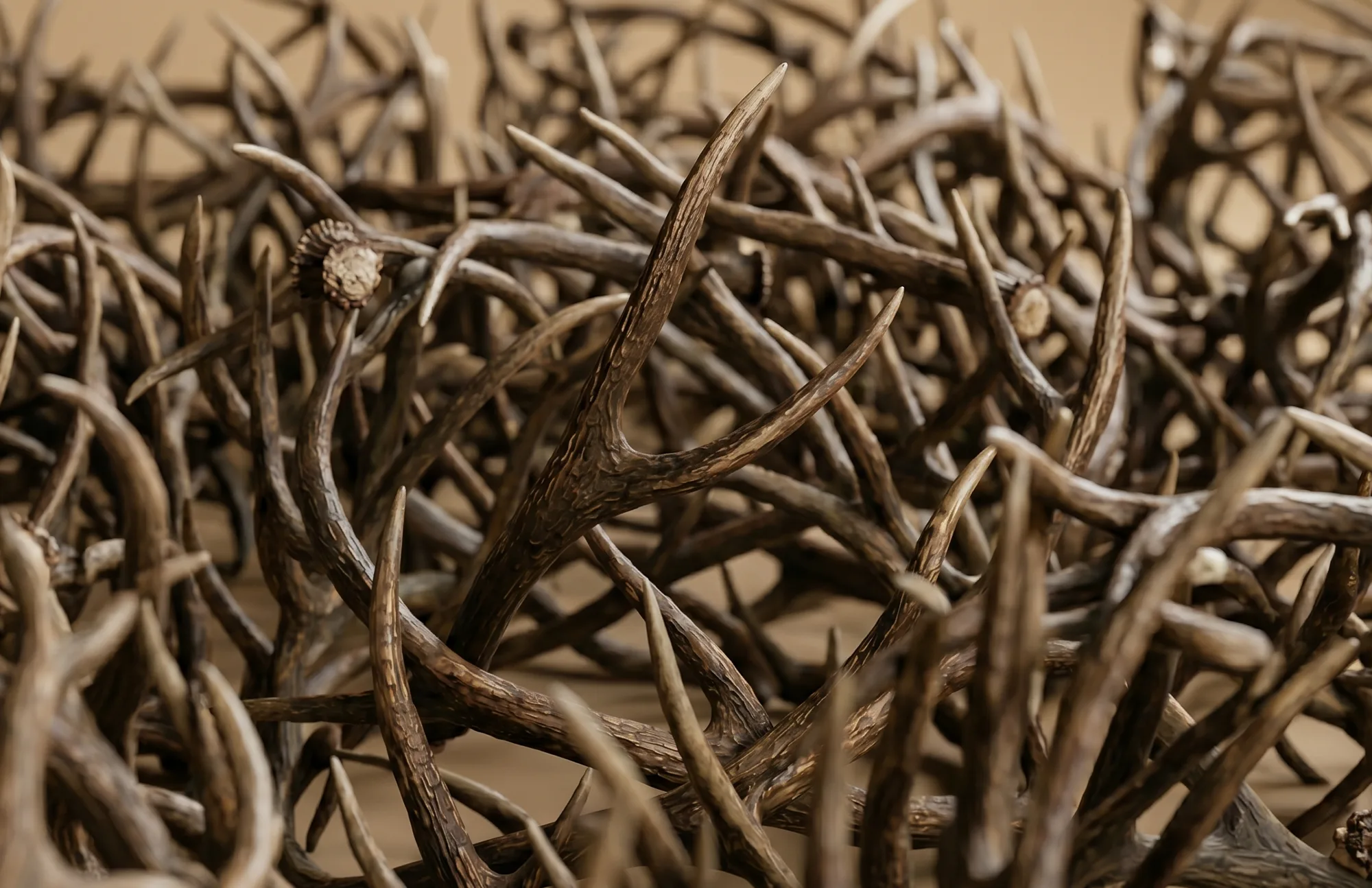
Deer antler is one of the most fascinating natural materials in the animal world. While many people associate it mainly with decoration or dog chews, its true value lies in its biology and unique life cycle. Understanding what deer antler is, how it grows, and what it is made of explains why it is such a rare and premium natural resource.
What is antler and how does it grow?
Deer antler is not a horn. It is a unique bony structure that grows annually on the skulls of male deer species, including the red deer and fallow deer. Its primary biological functions include defending territory, competing for mates during the rutting season, signaling strength and dominance. Antler growth is remarkably fast — it can increase by several centimeters per week. The process begins in spring and continues through late summer, when the antler fully hardens. During the growth phase, the antler is covered in a soft, vascular layer known as velvet. This living tissue supplies oxygen, nutrients, and minerals essential for rapid bone development. Once mineralization is complete, the velvet naturally sheds, revealing hardened bone underneath.
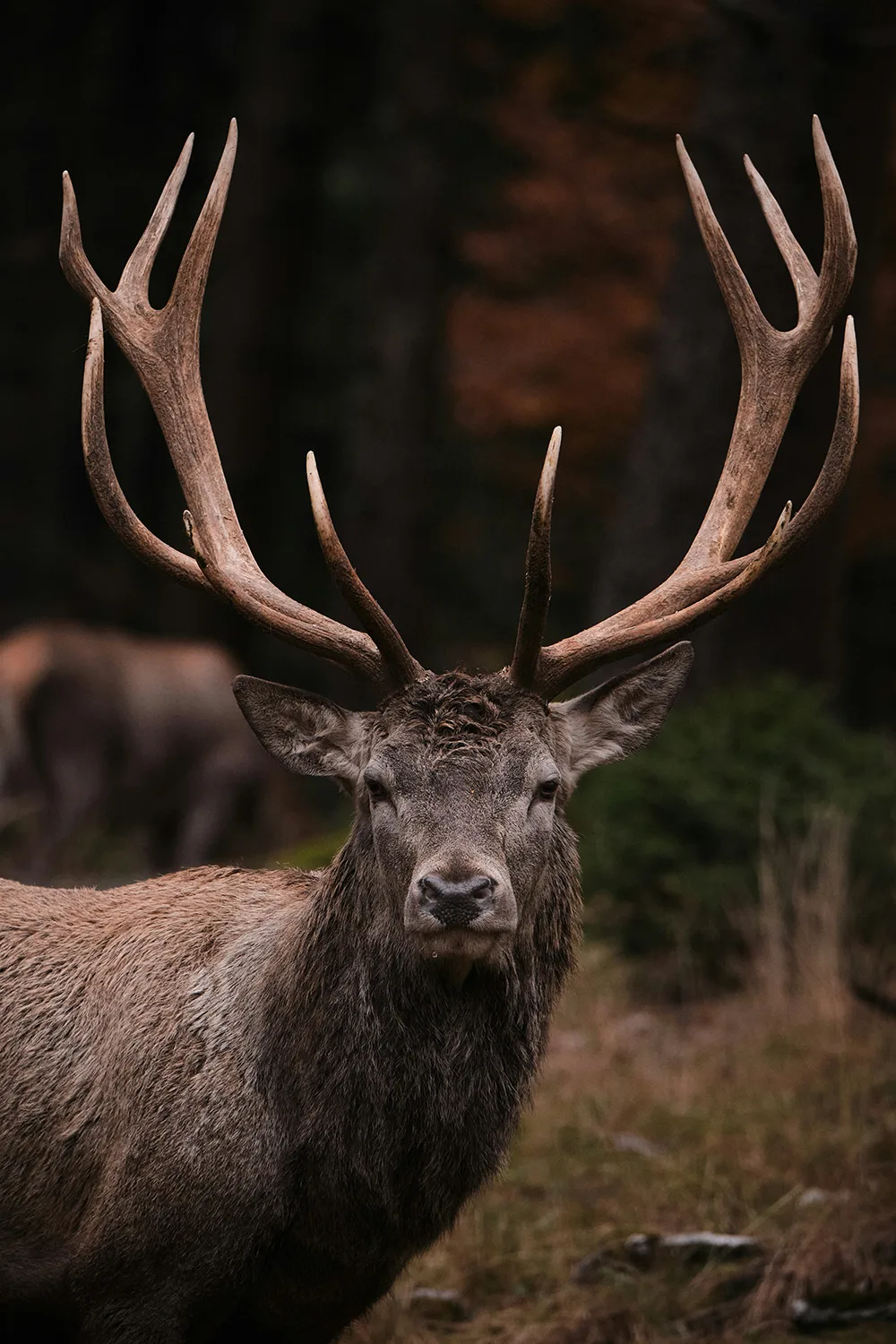
The shedding cycle – a self-renewing natural process
After the mating season, typically in late winter or early spring, hormonal changes trigger a natural shedding process. The antlers fall off on their own — without human intervention and without harming the animal. The following year, the cycle begins again. Deer grow new antlers, often larger and more branched than the previous set – because of this natural cycle, naturally shed antlers are fully renewable, cruelty-free, sustainably sourced.
They are not farmed products or artificially harvested materials. They are a genuine gift of nature, formed according to the animal’s biological rhythm.
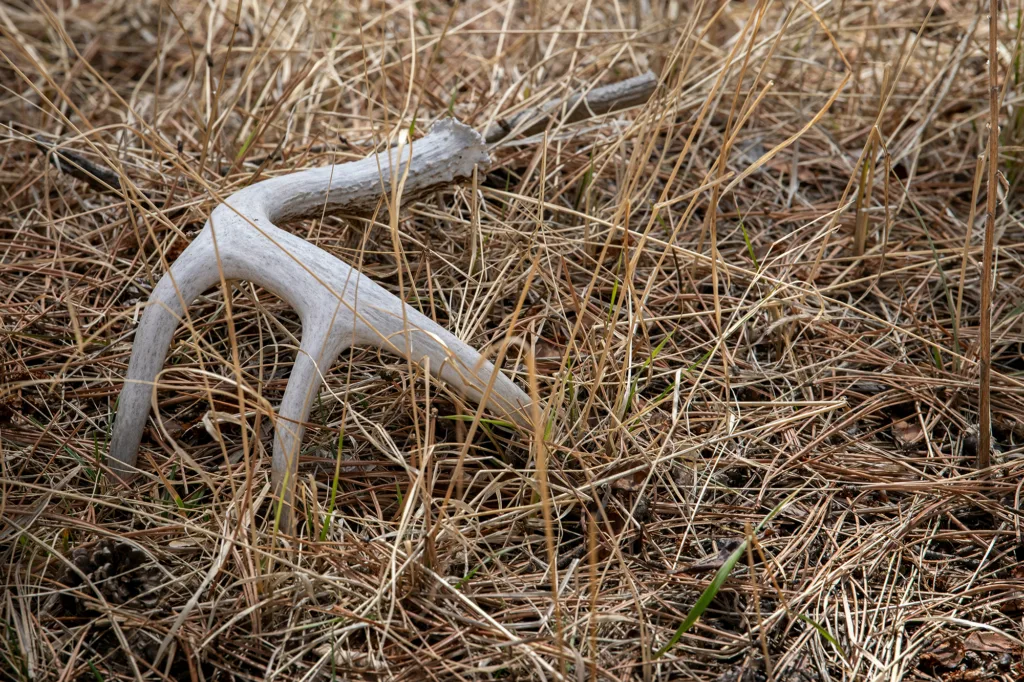
What influences antler growth and shedding?
Several factors determine the size, structure, and timing of antler development:
- Age and genetics – Older males typically develop larger, more complex antlers.
- Health and nutrition – access to minerals, protein, and vitamins directly affects growth rate, density, and durability.
- Environmental conditions – Climate, food availability, and stress levels influence both the shedding cycle and overall antler quality.
Because of these variables, no two antlers are identical — even within the same population. This natural limitation makes deer antler a rare and highly valued raw material.
Composition – a natural mineral structure
Deer antler consists of more than 60% mineral content, primarily hydroxyapatite (a crystalline form of calcium phosphate). It also contains magnesium, potassium, sodium, zinc, and iron, which contribute to its hardness and strength. The remaining structure is composed of collagen and water, providing flexibility during the growth phase. This composition makes antler strong yet relatively lightweight, extremely durable and naturally textured and visually distinctive. These qualities make it ideal both as deer antler for dogs (long-lasting natural chews) and as a sustainable antler material for furniture, crafts, and decorative applications. Its authentic texture and organic coloration cannot be artificially replicated.
Why Is Deer Antler Truly Unique?
Deer antler is renewable and cruelty-free, created through a natural biological cycle. Each piece is unique — comparable to rare natural materials such as truffles or amber, whose availability is limited by nature itself. Its organic form, irregular texture, and structural beauty make it highly valued not only in the pet industry but also in furniture design and interior decor.
Antler is more than a dog chew or decorative object. It is a biological phenomenon — a material shaped entirely by nature. Understanding its life cycle and composition reveals why every piece is limited, authentic, and biologically remarkable.
Interesting facts about deer antlers:
- Deer antlers are the only bone structures in mammals that are naturally shed and fully regrown on a regular basis.
- Antler regeneration is studied in regenerative medicine research due to its rapid tissue growth.
- Antler symmetry often indicates the animal’s overall health and genetic strength.
- Rapid growth requires massive mineral intake — during this period, deer must forage intensively to meet nutritional demands.
- In most species, females do not grow antlers. A notable exception is the reindeer, where females in certain populations also develop antlers.
- After shedding, animals sometimes chew on antlers to recover minerals. In the wild, rodents and other herbivores also gnaw on shed antlers as a natural calcium source.
